

[SPR26] Minding Our Stories, Storying Our Minds: Rachel Aviv on Stories That Heal and Stories That Constrain
Feb 25, 2026 - Feb 25, 2026
Full course description

Minding our stories, storying our minds: rachel aviv on stories that heal and stories that constrain
Hybrid Format |takes Place april 22nd from 5:00pm to 6:30pm
On Campus: Corcoran Commons Heights Room
Via Zoom: https://bccte.zoom.us/j/98800525813
Presenters:
Rachel Aviv is a staff writer at The New Yorker, where she just has reported extensively on psychiatry, medial ethics, criminal justice, and how institutions shape intimate life. Her work has been recognized with the George Polk Award for Magazine Reporting and the National Magazine Award for Profile Writing. Aviv's 2022 book, Strangers to Ourselves: Unsettled Minds and the Stories That Make Us, was a New York Times bestseller and names one of the "10 Best Books of 2022." In it, she follows several people whose inner lives cannot be fully contained by psychiatric categories, drawing on their letters, diaries, and legal and clinical documents to explore how diagnosis can both help and confine. Aviv's forthcoming book, You Won't Get Free of It (July 2026), gathers and reconceives seven essays about mothers and daughters navigating disowned knowledge, recognition, and refusal. Across her work, Aviv models epistemic humility and careful listening, inviting readers, clinicians, and the broader public to hold multiple frameworks in view while staying close to the person's own words.
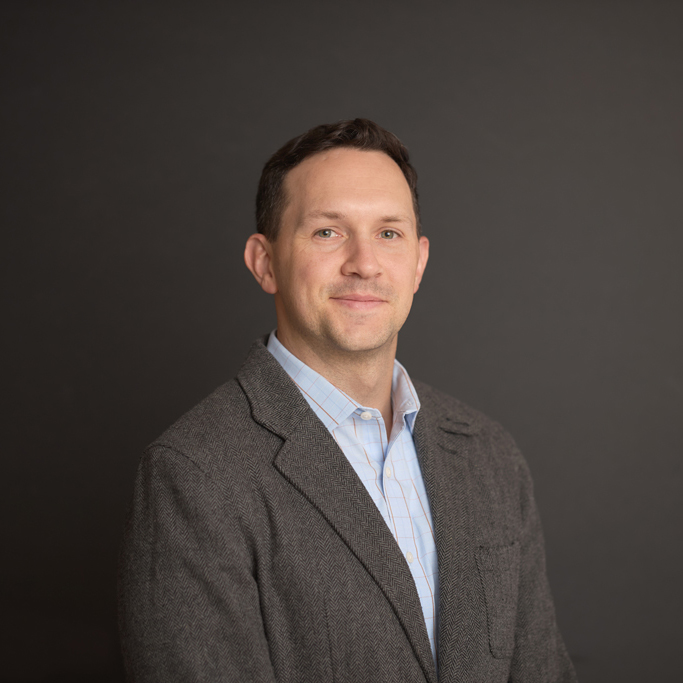
Justin Karter, PhD, is the Acting Program Director, PsyD in Clinical Psychology & Psychological Humanities, Boston College.
Description:
This 90-minute event features New Yorker staff writer and author Rachel Aviv in a moderated conversation about the stories we tell about mental illness, trauma, and diagnosis, and the ways those stories can both expand and restrict possibilities for living. Aviv's book Strangers to Ourselves: Unsettled Minds and the Stories That Make Us follows people whose experiences of distress do not fit neatly inside psychiatric categories, drawing on diaries, letters, and other first-person documents to illuminate how language and diagnosis shape their senses of self. In dialogue with contemporary critiques of "disorderism" and over-pathologising young people's distress, and work with on the ethical stakes of diagnosis and trauma discourse, the conversation will explore how clinical and institutional languages influence what becomes thinkable for patients and practitioners alike. Attention will be given to the tensions between the clarity a diagnosis or trauma narrative can offer and the ways those same narratives may confine a person inside a limited story of themselves. The format will include 45-50 minutes of moderated interview followed by audience Q&A. Participants will be invited to consider how Aviv's narrative practice can inform more ethically attuned interviewing, case formulation, and trauma-informed work in clinical and macro social work settings.
Learning Objectives:
1) Analyze at least two case examples from Rachel Aviv's reporting to identify how diagnostic and trauma narratives shape individuals' self-understanding, help-seeking, and engagement with treatment.
2) Differentiate between narrative practices that open versus constrain possibilities for meaning-making and agency, and identify at least two interviewing or formulation strategies that center clients' own language for their suffering.
3) Apply insights from recent critiques of diagnosis and trauma discourse to at least one domain of their practice (such as assessment, treatment planning, program design, or policy language).
Timeline and Requirements:
The course will take place on April 22nd from 5:00pm to 6:30pm. On campus, this workshop will be located in Corcoran Commons Heights Room on Boston College's campus.
CE Sponsorship: To Follow
Fees and Policies:
Payment is due by credit card at registration. Refunds will be granted only up until registration closes at 4pm on April 22nd. No refunds will be granted for errors on the participant's part (such as incorrect name/email upon registration, login failure, scheduling conflicts, etc.).
We strive to host inclusive, accessible events that enable all individuals to engage fully. If you need to request an accommodation or ask a question about accessibility, please contact wcas.cece@bc.edu.
Additional offerings from the Woods College Office of Continuing Education and Community Engagement can be found on our website.